30 Years of 'Infinite Jest'...
... and I still haven't finished it. David Foster Wallance's magnum opus sits on my shelf, creased but only about 1/10th of the way into the book, because for all the use its seen, never have I progressed beyond that general stage.
 Hermione Hoby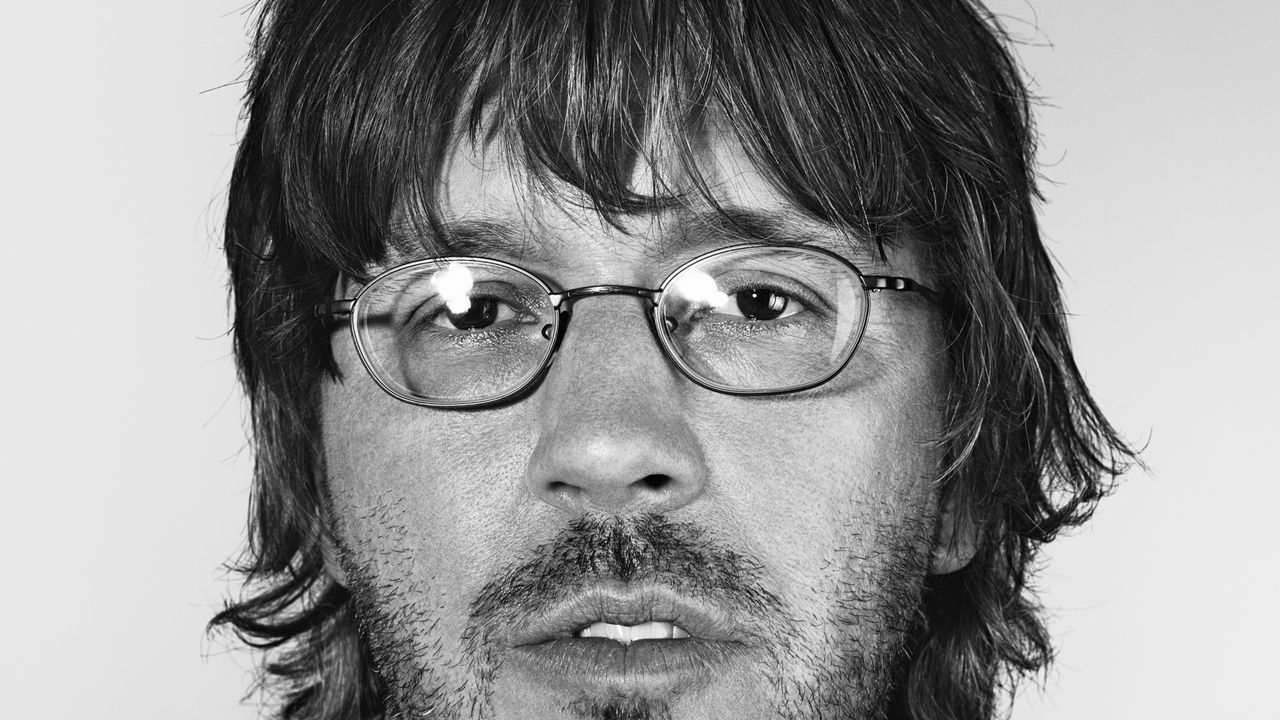
But I did find time to read this thoughtful piece in The New Yorker, and while I'd already clocked the 30th anniversary would be a tidy year in which to finally tackle this beast, I found myself doubly resolved after reading these words.
The ugly part of all of this is that not only do I have to contend with the significant task of reading the book, but I also have to deal with all the reasons it's supposedly a bad idea to want to read the book.
There's the performative reading element, which Hoby mentions in passing by reference to a Guardian article in which its writer enacted an unthinkable kind of performance art: What if I read Infinite Jest in public? Spoiler: Not much happened, and the ultimately positive message was as follows:
It’s a scary time to be someone who cherishes the written word. The country is in the midst of a literary crisis. We’re told by college professors that students can’t read entire books any more, that gen Z parents don’t like reading to their kids, that smartphones ruined our ability to focus on anything longer than 30 seconds, that AI slop will take over publishing. Don’t be a chump. Read everywhere, and read often.
There's the lit-bro label, which is, as best I can tell, a degree worse than performative reader — like a performative reader who also wants to tell you about what he's read and/or has a personality largely defined by the reading and delights in the pretension of it all.
I don't want to be either of those things. I am a regular reads-in-public kind of guy, and I usually give little thought to what I'm reading as I do it. Infinite Jest's colossal heft and immediately recognizably title feels as if it will attract eyeballs on its own, as if we've mostly forgotten what books actually look like in real life and so to see a doorstopper of one begs intense scrutiny. In honesty, it would probably be more like the author of the Guardian piece: Few, if any, will notice; fewer (if possible) will care.
I think there's also some kind of circularity to my neuroses as well: I'm self-conscious of wanting, so earnestly, to read this thing and somehow embarrassed and self-conscious to only just now be getting around to it. (I know, right? Pick a lane.)
Some of my most earnest attempts to read it (there have been many by this point) came after some truly disturbing revelations about Wallace's behavior toward women that felt like the book was disappearing into the what-to-do-with-the-art-of-monstrous-men? debate. Like so many brought to task by a "problematic fave," I had to reckon with this giant of nonfiction (the wildly accessible essays and journalism) that I read and re-read as a disaffected lawyer, dreaming of doing something different with my life and saying, "But what if you could go on a cruise or to the state fair and come back to write thousands of words on the experience — how great would that be?" I knew long before I got to journalism school that I preferred that kind of writing, that kind of storytelling, to documenting what city counselors said at the meeting or pushing through the countless roadblocks to publish a hard-hitting piece of investigative journalism. I wanted to be the kind of writer who got called on for assignments like Wallace did, pretty much way after the period of American journalism when such things were fashionable (but I was too slow and dumb to realize as much).
I knew Infinite Jest wasn't only the greatest thing he'd done, but it might have been a singularly defining novel for an entire generation (one that I technically lived through, though too young to appreciate it as a GenXer might). Should I trouble myself with the monumental task of reading this thing if the guy who wrote it was so flawed?
Don't get me wrong: Those considerations were NOT the main reason I failed to conquer the novel on multiple attempts. At best, these were half-hearted rationalizations about why I hadn't already finished it. Ones I didn't even believe in. Because I knew, from the same approximately 100 pages I've read and re-read numerous times now (I won't allow myself the cheat of just jumping ahead and starting there): This book was great. The pages came alive. The challenge was real, but the rewards were deeper. There was something in which I could find delight on every page. The words — so many I would never have encountered anywhere else — sang in a rhythm that just made sense. There was pleasure at every turn. But there were many turns of the page, and it was simply for sheer lack of stamina that I can't count myself as one of its many readers and honest appreciators.
So I'm declaring it here (technically publicly, though the readers of this post will surely be few): 2026 is the year I finish this book.
I won't capitalize on the perfection of starting it in earnest on its birthday, for I have some other time-based reading goals I want to address, but I will commence the adventure soon. I hope to maybe even find something to write about it here (but I won't promise that, for surely reading it will have been enough).
Until then, I will relish the anniversary and consume everything that comes out about the book, now entering the same decade of life that I'm about to exit in a couple of years. It's good to have reading goals, and this one has been nagging me for too long. It's time to put it to rest, and truly experience what all the fuss is about.
Comments